There is something truly magical about a recipe that looks like it took hours but actually comes together in minutes. This Lemon Roasted Salmon is my go-to for exactly that reason. It’s vibrant, eye-catching, and elegant enough to serve for a dinner party, yet simple enough for a Tuesday night after work.
By layering thinly sliced lemons over a wild-caught filet, the fish stays incredibly moist while absorbing that bright, citrusy essence. The natural caramelized lemon slices provide a perfect, visual finish. It’s a foolproof way to impress your guests without being stuck in the kitchen all evening.
Perfect Pairings
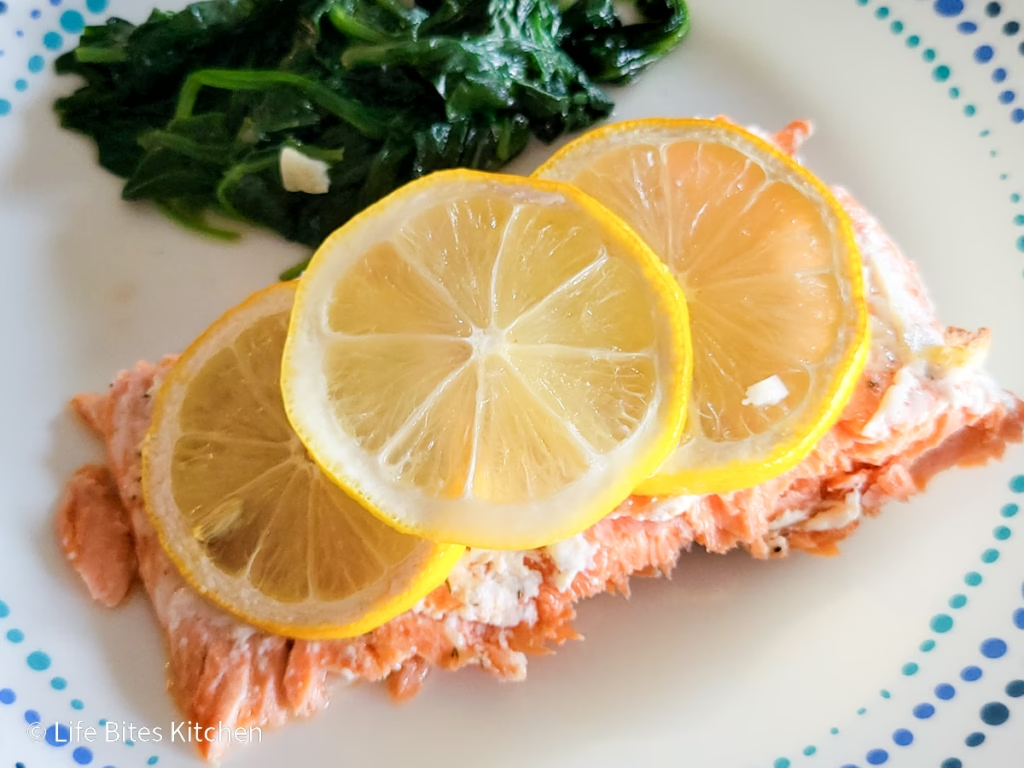
To keep things fresh and healthy, I love pairing this salmon with a deep green side dish. My Sauteed Spinach is the perfect companion—the earthy greens balance the acidity of the lemon beautifully. You can see how the vibrant green spinach complements the salmon.
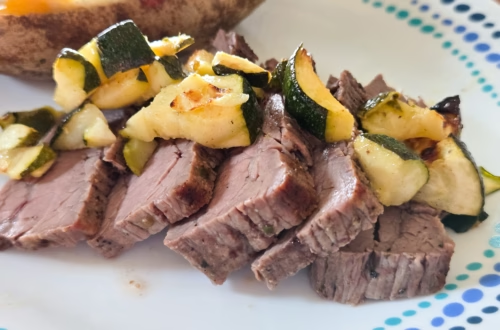
For a little extra texture on the plate, I also highly recommend trying my Air Fried Zucchini. The slight crunch and savory seasoning make the whole meal feel like a high-end restaurant experience right at your dining table.
More Salmon Inspiration
If you’re looking to switch up your protein routine, don’t miss my other two favorite salmon preparations:
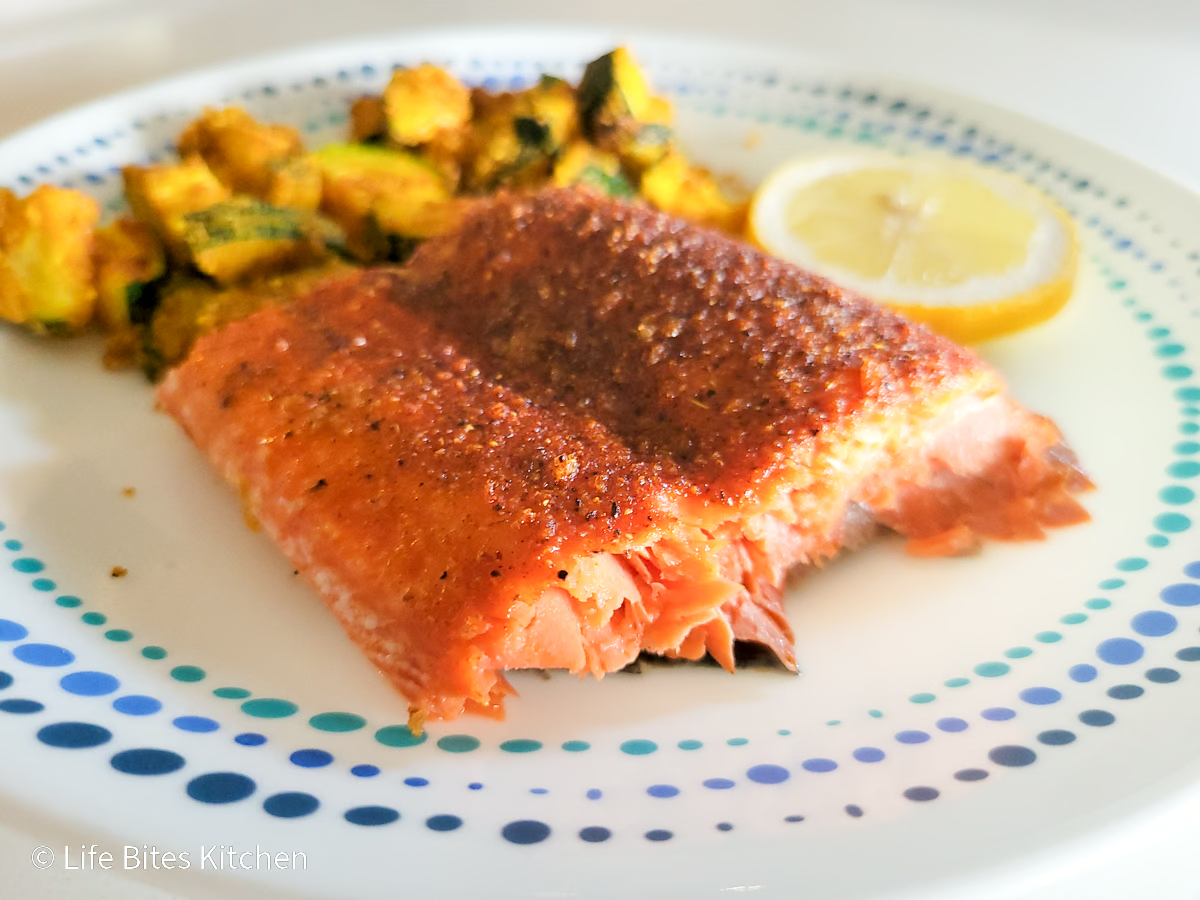
- Blackened Roasted Salmon: For when you want a bold, Cajun-inspired kick.
- Roasted Salmon with Dijon Sauce: A delicious alternative for any seafood lover with a homemade garlic dijon sauce.
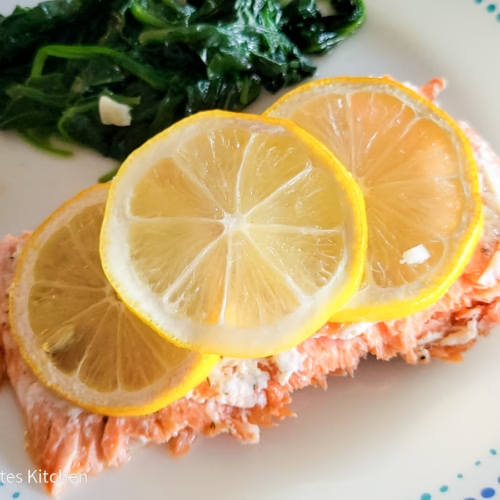
Lemon Roasted Salmon
Ingredients
Method
- Preheat your oven to 425℉.
- Place parchment paper on a baking sheet.
- Rinse your salmon filet, and pat dry with paper towels. Place on the baking sheet.
- Brush 1 Tbsp. oil on salmon filet.
- Sprinkle the filet with salt, pepper, and herbs.
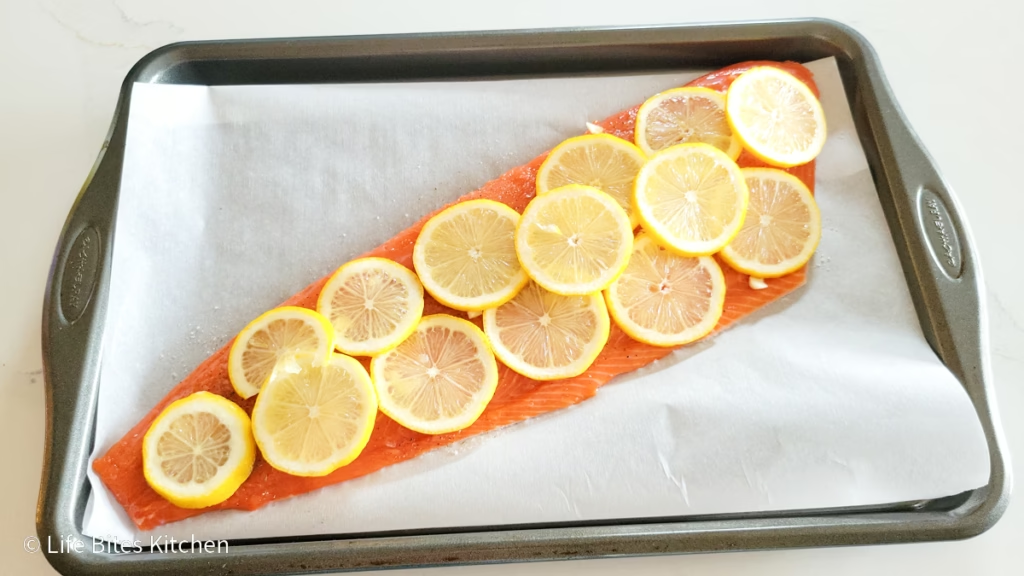
- Layer the thinly sliced lemons on top of the salmon.
- Brush the remaining oil on top of the lemons.
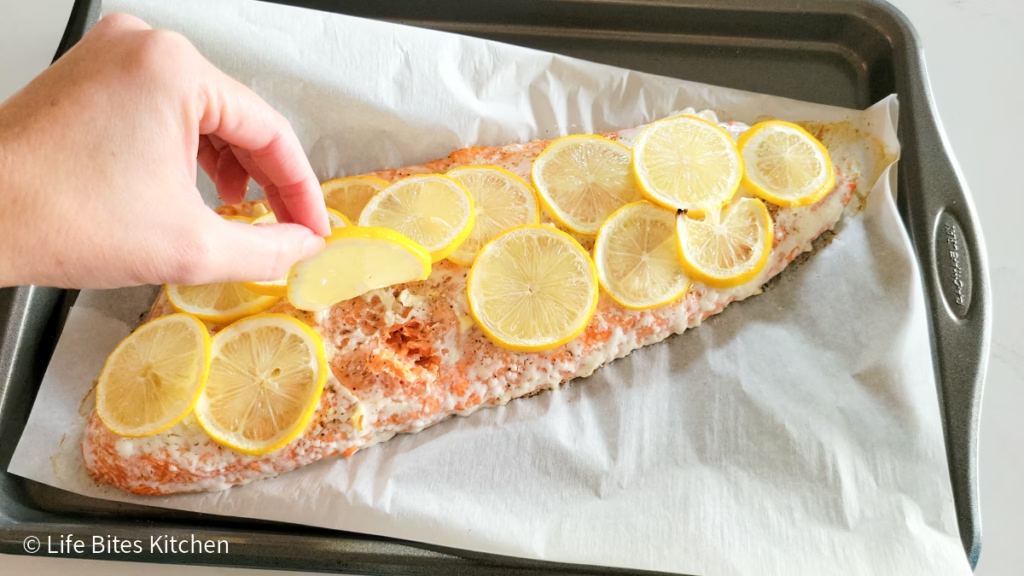
- Roast the salmon for 15 minutes or until the fish flakes away easily with a fork – you will remove a lemon slice to check for doneness.
*Please consult your health professional for health and nutritional advice.
Free meal plans and early recipe access
Step-by-Step Lemon Roasted Salmon
Prepare the Salmon
Preheat your oven to 425°F and line a baking sheet with parchment paper. Take a single wild-caught salmon filet and pat it completely dry.
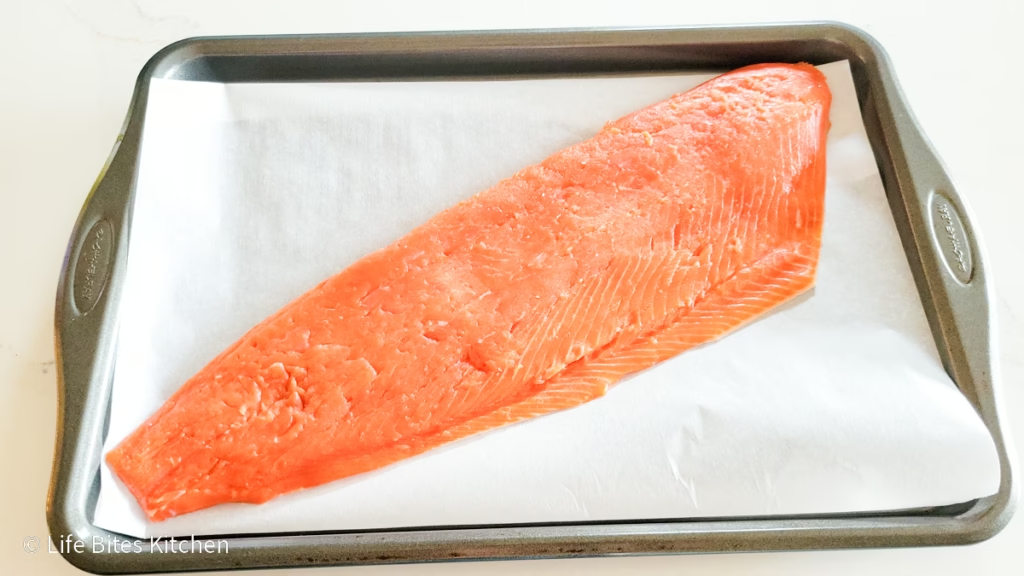
Season the Filet Brush 1 tbsp of avocado oil evenly over the fish. Then, sprinkle with sea salt.
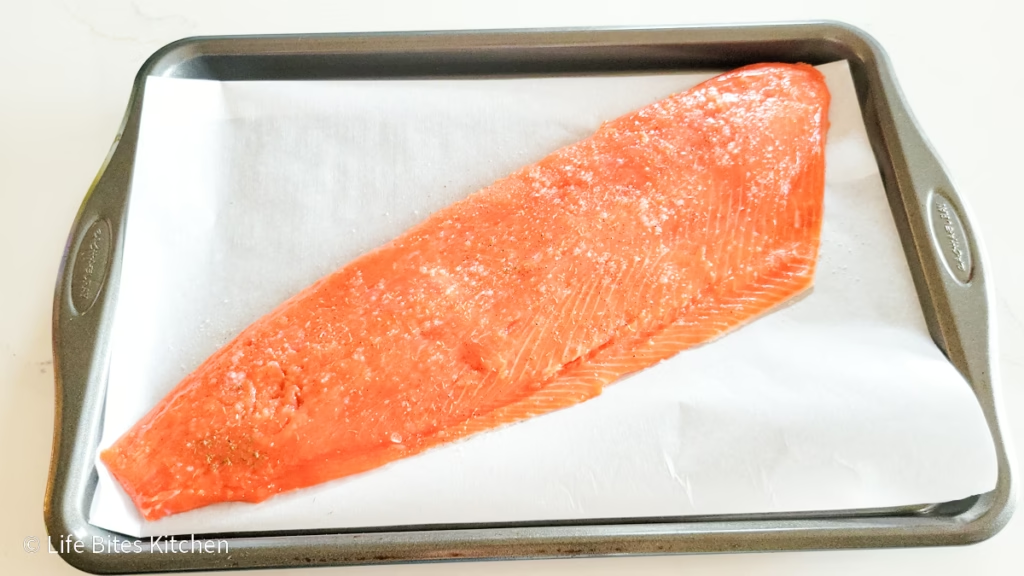
Next, add minced or chopped garlic.
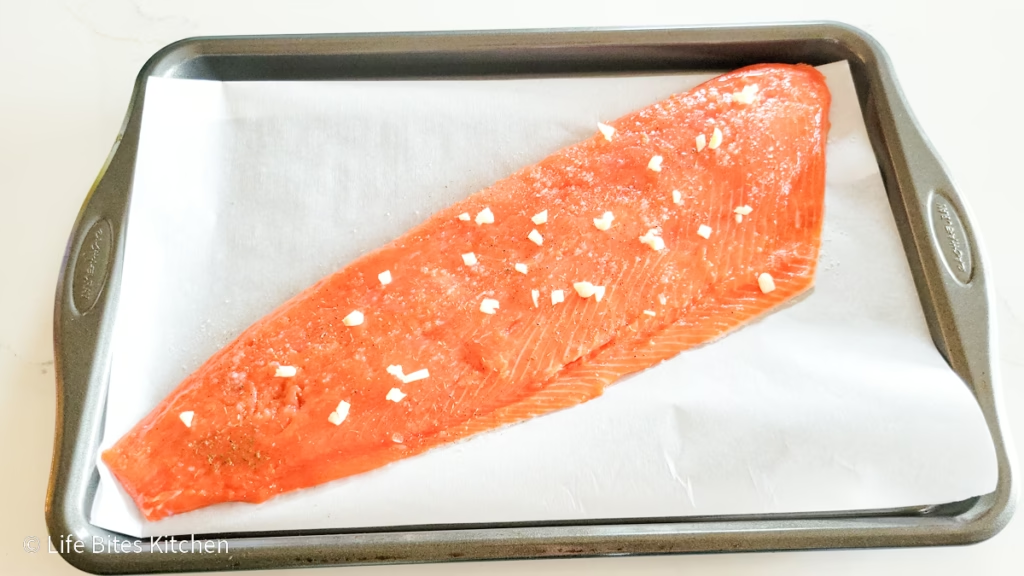
Layer the Lemon
Arrange the thin lemon slices across the top of the filet, slightly overlapping. Brush the remaining 1 tbsp of oil over the lemons to help them caramelize.
Roast and Flake
Bake the salmon for 15 minutes. It is done when the lemons are caramelized and the salmon flakes easily with a fork, revealing a perfect, moist interior.
Frequently Asked Questions
Why choose wild-caught salmon over farmed?
Wild-caught salmon is generally leaner, has a cleaner taste, and contains fewer contaminants than farmed varieties. The natural deep pink color and firm texture make for a superior-looking plated meal.
Can I leave the lemon peel on?
Yes! The very thin slices of lemon are edible and add a delightful, concentrated citrus punch. However, if your lemons are thick or you prefer a milder taste, you can peel them first. I like to squeeze the warm lemon juice over my fish and discard the peels.
My lemons didn’t caramelize, what happened?
Caramelization depends on oven temperature and the initial moisture of the lemon. Ensure your oven is fully preheated to 425°F and that you brushed the lemons with oil as directed. Also, be sure to slice the lemons very thinly. You can also carefully broil for 1-2 minutes at the end, but watch it closely!
How can I prevent the salmon from drying out?
The secret is the lemon layer and the cook time! The lemons act as a shield, preventing moisture from escaping. Using wild-caught salmon (which is naturally less oily) makes the moisture-retaining aspect of the lemons even more critical.
What are the benefits of using a whole filet?
Cooking a whole filet of wild-caught salmon not only looks more impressive on a large platter for a dinner party but also helps the fish cook more evenly, as it’s less likely to dry out at the edges than individual filets.